
FraudXchange
Dark Web Fraud Intelligence for Banks and Credit Unions

Dark Web Fraud Intelligence
Identify Fraud Risk Before the Transaction
Stolen checks and compromised card information can surface online before a fraudulent transaction ever reaches your institution. FraudXchange provides banks and credit unions with dark web fraud intelligence designed to identify exposed checks and cards earlier, giving fraud teams more time to investigate, protect affected accounts and prepare for potential fraud attempts.
FraudXchange also combines proactive fraud intelligence with centralized fraud case management, helping institutions move from initial exposure identification through investigation and documentation in one workflow.
Fraud Investigation
Fraud Investigation and Case Management
FraudXchange supports fraud operations with centralized case management, helping teams document investigations, organize case details and maintain consistent records for internal review.
Suspects Tracking
Keep detailed records of all suspects involved.
Impacted Financial Institutions
Document all financial institutions affected by fraud.
Unlimited Storage
Upload all relevant documents without storage limits.
Exposure Documentation
Record the potential exposure amount for your institution.
Total Loss Documentation
Document the total financial loss incurred by the institution.
Case Timeline and Progress
Track and document each case's timeline and progress.
How It Works
Advanced Fraud Detection and Case Management
Stolen Check Detection
FraudXchange can be easily incorporated into inclearing processing to prescreen cash letters for potential forged or altered checks.
Fraud Tools
• Search for Business Scams through Scam Tracker
• Verify a broker
• File an elder fraud compliant or business email compromise compliant with the FBI
Fraud Training
Empower your team with the knowledge and skills to recognize and combat fraud effectively. Our training platform equips your staff with the latest tools and techniques.
Fraud Alert System
React promptly to potential threats with our instant fraud alert system, ensuring you stay one step ahead of fraudsters.
Combat Multiple Scams
Our platform is equipped to halt multiple fraudulent transactions linked to the same scam, preventing further financial losses and strengthening your institution's defenses
Treasury Check Verification System (TCVS) API
• FraudXchange now integrates directly with TCVS via API, providing check status and payee name details—crucial information when handling Treasury checks.
• Unlike manual verification, our automated API retrieves comprehensive check details instantly, reducing fraud risk and streamlining check processing.
• Unlimited users: We recommend setting up your tellers, new accounts team, and fraud prevention specialists as users for seamless operations.
Dark Web Check Fraud Monitoring
Find Compromised Checks Before They Are Presented. FraudXchange provides searchable intelligence related to compromised checks surfaced through approved dark-web monitoring and fraud-intelligence sources, helping institutions identify potential exposure before an attempted transaction becomes the first warning. Where supported in current processing, this intelligence can also inform inclearing check prescreening.
FraudXchange | Database snapshot
Compromised-check intelligence at scale
As of October 1, 2026
419,941
Reported stolen-check records
4,507
Institutions represented in the data
$5.41B
Reported aggregate check face value
Source and scope: FraudXchange Monthly Aggregate Stolen Check Data, October 1, 2026. Exact reported check face value: $5,410,340,698.61. This is a dated database snapshot, not the number or value of checks added during September. Institutions represented are not a customer count. Face value is not confirmed fraud, actual loss or losses prevented. These records overlap the customer snapshot below and must not be added to it.
October 17, 2026 | Customer snapshot
Compromised-check visibility. Customer by customer.
The most useful fraud intelligence is the intelligence that matters to your institution. The October 17 FraudXchange customer snapshot connects reported check exposure to the customers using the platform.
63
Customer institutions in the export
55 of 63
Had recorded checks (87.3%)
1,789
Reported check records
$27.6M
Reported check value
Exposure in context
Twenty-eight customer institutions had more than $100,000 in total reported check value; seven had more than $1 million. The median customer total was $70,328.82 across all 63 institutions, including the eight with zero recorded checks.
FraudXchange provides dark-web intelligence about compromised checks and payment data, with tools that support investigation and documentation. These figures show exposure to understand and investigate, not money already saved.
Source and scope: FraudXchange active-solution customer export, October 17, 2026. One record per customer-company ID; exact reported check value is $27,617,039.24. Check counts are sums of customer counters, not independently certified unique instruments. The total fields have no stated observation start date: they are not presented as 2026-only or last-30-day totals. Reported check value is not confirmed fraud, actual loss or verified losses prevented. This customer subset is separate from, and not additional to, the full-database snapshot.
CardGuard
Dark Web Card Monitoring with CardGuard
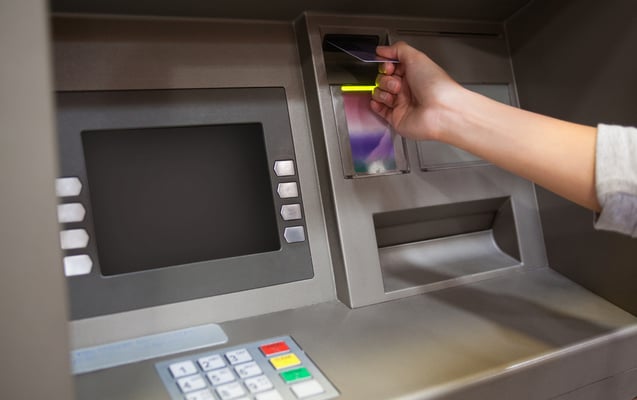
CardGuard is included with FraudXchange and monitors for compromised debit and credit card information associated with your financial institution's BINs. Searchable card intelligence can help fraud teams investigate potential exposure and respond with greater awareness.
From Early Warning to Transaction-Level Fraud Detection
FraudXchange and FraudSentry help institutions build a layered approach to check fraud prevention. FraudXchange provides proactive intelligence around potential exposure. FraudSentry helps analyze check images and detect suspicious items as they enter processing.
Frequently Asked Questions About Dark Web Fraud Intelligence
What is dark web fraud intelligence?
Dark web fraud intelligence involves identifying compromised financial information or fraud-related activity surfaced from online sources associated with illicit trading or exposure. It can give financial institutions earlier visibility into potential risk.
How can banks detect stolen checks on the dark web?
FraudXchange provides intelligence into compromised check activity found through its approved dark-web monitoring capabilities, helping fraud teams search and investigate potential exposure.
Can a bank identify a compromised check before it is deposited?
When an exposed item has been identified, compromised-check intelligence can provide an earlier signal. It does not mean every compromised check will be detected before presentment.
How does FraudXchange help financial institutions address check fraud?
FraudXchange combines proactive fraud intelligence, investigation support and centralized case management. Where supported in current processing, compromised-check intelligence can also inform inclearing check prescreening.
Does FraudXchange monitor compromised debit and credit cards?
Yes. CardGuard is included with FraudXchange and monitors for compromised debit and credit card information associated with a financial institution's BINs.
How is FraudXchange different from transaction-level check fraud detection?
FraudXchange focuses on earlier intelligence and exposure identification. Transaction-level technologies such as FraudSentry analyze suspicious check items when they enter processing, extending detection across more of the fraud lifecycle.
Related Finovifi Solutions
FraudSentry
Detect suspicious checks before they post with AI-driven check fraud prevention.
FrontLine Sentry
Bring real-time fraud detection and compliance support into teller workflows.
Get Started with FraudXchange
See how proactive fraud intelligence can support earlier awareness and more informed fraud response.